Maritime Committee Calls for Mandatory AIS Enforcement Amid Growing Gulf Risks
The weekly information brief by the National Maritime Security Committee (MARSEC) noted that while Ghana’s coastal waters remain stable, the compounding effects of external disruptions, migration shifts, chokepoint instability, and a resurgence in piracy demand proactive rather than reactive governance.
This instability, it said forces trade to reroute around the Cape of Good Hope, driving up freight costs, insurance rates, and transit times by 10 to 14 days above regular voyages within the Gulf of Guinea (GoG) maritime domain, while further inflating domestic fuel prices.
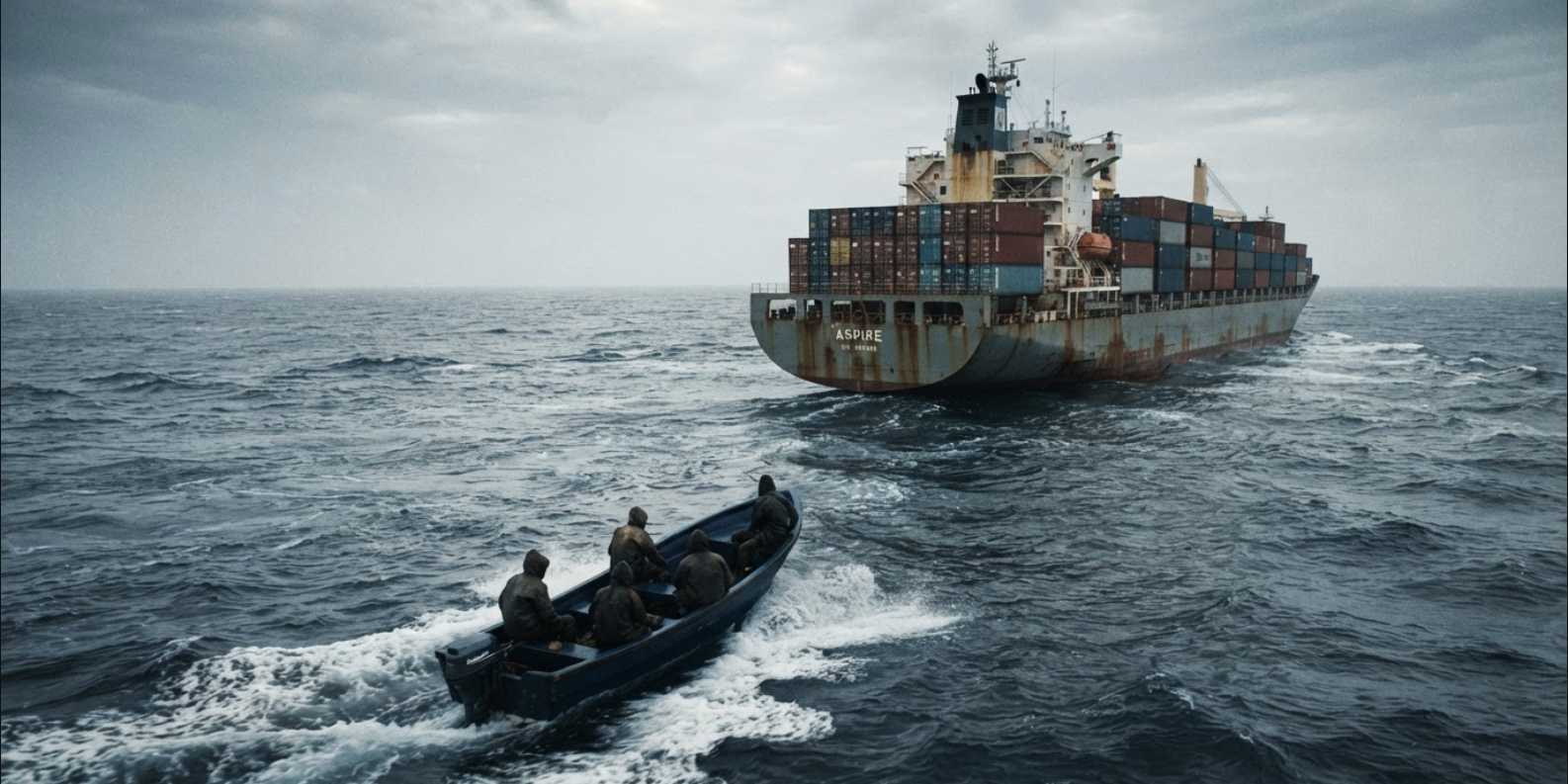
Similarly, a resurgence in Somali piracy threatens to draw international naval assets away from West Africa, exposing the GoG maritime domain to potential imitative hostage-taking.
To mitigate these economic and security risks, the Committee called for enhanced surveillance along Ghana’s western maritime boundary, the immediate operationalization of the maritime offenses law, and deepened regional intelligence sharing as urgent priorities.
Key Developments
The report indicated that over 750 irregular migrants bound for Europe were recently intercepted off Senegal and Mauritania, while the diversion of international naval fleets to East Africa risks creating a security void in the Gulf of Guinea that could encourage potential hijackings.
To safeguard the nation’s territorial waters and economic interests, the Committee outlined priority actions of surveillance and domain awareness as well as the expansion of the Vessel Traffic Management System (VTMIS).
Way Forward
The Committee also urged strict enforcement of Automatic Identification System (AIS) tracking to expose “dark” or untracked vessels entering Ghana’s Exclusive Economic Zone (EEZ).
Additionally, the Committee recommended unannounced spot audits of International Ship and Port Facility Security (ISPS) compliance at the Tema and Takoradi ports. It further proposed implementing rigorous container profiling and non-intrusive inspections, mirroring recent Nigerian interdictions during the Tin Can Island arms seizure.
The report noted that while security advisories remain key, enforcing mandatory security standards on local fishing fleets to prevent opportunistic hostage-taking is equally vital.
The Committee emphasized that deepening real-time intelligence exchanges with Ivory Coast and Nigeria under the Yaoundé Architecture, along with integrating Ghana’s Maritime Fusion Centre with regional information hubs will ensure interoperability among regional partners.