GMA Secures Global Sea-Time Placements with PIL for New Cohort of Ghanaian Cadets
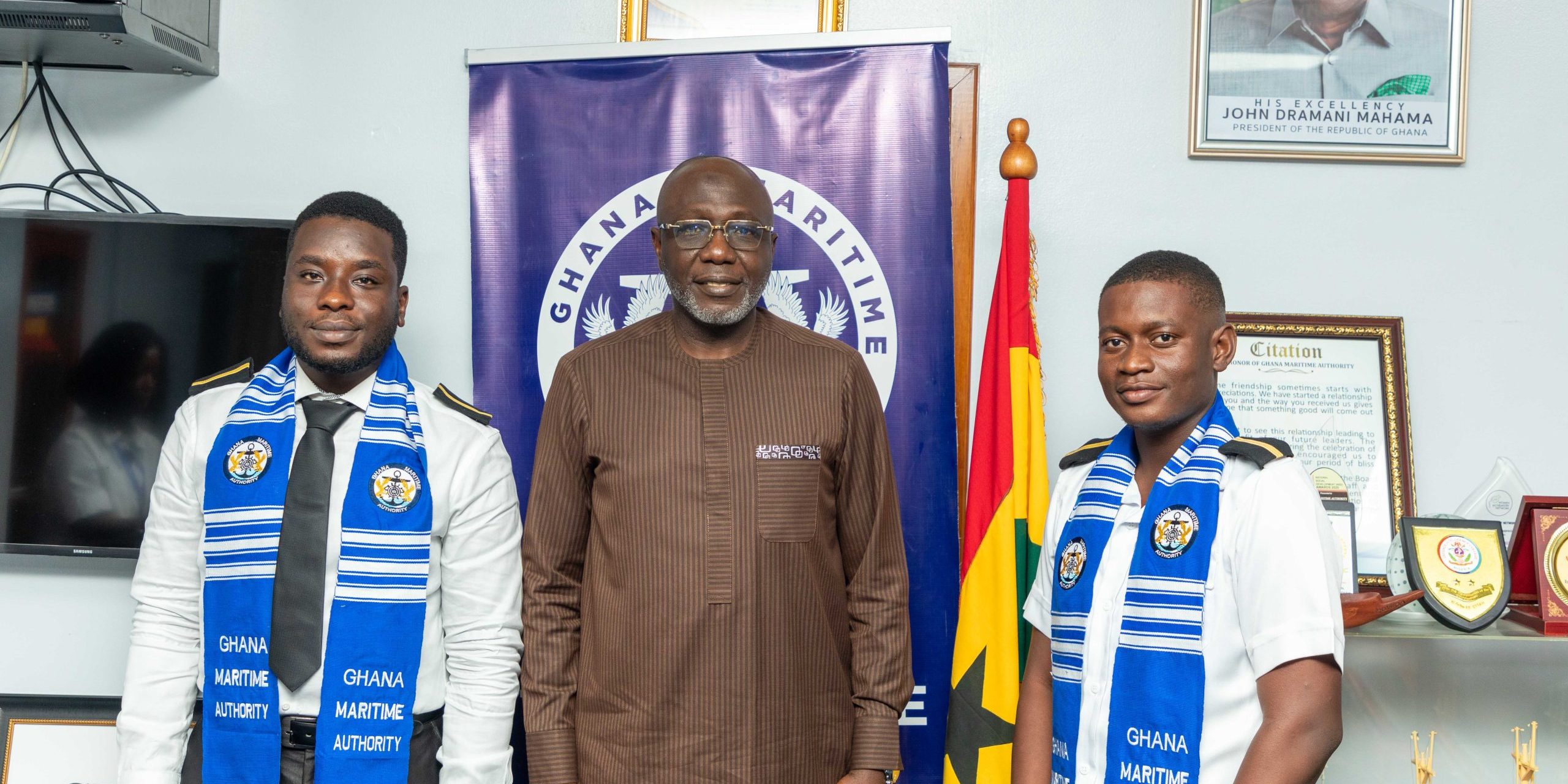
The appreciation visits by the cadets followed the Authority’s strategic interventions that have opened doors for them to launch meaningful careers in the global maritime industry.
The meeting also highlighted a historic milestone for maritime education in the country with Emmanuel Elorm Adjaho becoming the first graduate from the Kwame Nkrumah University of Science and Technology’s (KNUST) Marine Engineering programme to secure a global sea-time deployment onboard a major international shipping vessel.
This deployment of four cadets, two of whom have since departed for their mandatory sea-time stems from strategic engagements by the Director-General with PIL and other major shipping lines on the need for an increased quota in sea-time training for Ghanaian cadets.
A Journey of Resilience
Mr Adjaho’s deployment marks the first time a cadet from outside the traditional pipeline of the Regional Maritime University (RMU) has secured a sea-time placement since KNUST introduced its Marine Engineering programme some five years ago.
He is part of a select group of four cadets, including Victor Afari, Daniel Tenkorang Annor, and Isaac Obeng, all from the RMU, who were selected among 10 candidates that were rigorously assessed by PIL to take on crucial roles as Deck and Electrical cadets.
A former student of Keta Senior High Technical School (Ketasco), Master Adjaho initially enrolled at RMU but was forced to drop out due to high tuition costs, later finding his path through KNUST’s new programme.
Having watched his peers benefit from international shipping opportunities including those offered by companies like Bahri Ship Management, Bernhard Schulte Shipmanagement (BSM), and Kuwait Oil Tanker Company (KOTC), among others, Mr Adjaho expressed profound gratitude that his own aspiration to secure a global sea-time placement had finally been realized.
GMA DG
Welcoming the cadets, the DG of the GMA, Dr Ali, expressed immense pride in the departing seafarers, noting that seeing Ghanaian youth join international vessels serves as a massive source of encouragement for the Authority.
The Authority’s primary goal, the DG said, is to create sustainable global opportunities that empower local youth while collectively benefiting the nation’s economy. Expressing confidence in the excellence and capability of Ghanaian seafarers, the Director-General charged the new cohort to perform exceptionally well and leave a lasting landmark that will open doors for future generations.
The GMA, Dr Ali noted, looks forward to officially issuing their Certificates of Competency (CoC) upon completion of their mandatory training.
Rethinking Maritime Education Funding
The DG, however, used the opportunity to shed light on the high cost of maritime education in Ghana, revealing that training a cadet at RMU ranges between $37,000 and $40,000, an amount he categorized as far too expensive if Ghana truly wishes to aggressively promote the industry.
To address this, Dr Ali called for an urgent, structured conversation regarding a sustainable funding framework for seafarer training in Ghana. He proposed a collaborative partnership model involving state agencies, industry stakeholders, and seafarers themselves.
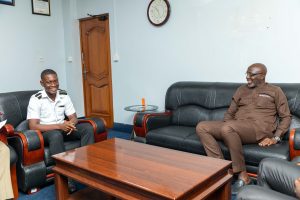
Central to this vision, he pointed out, is the establishment of a robust Seafarers Development Fund, sustained by contributions from state agencies and willing seafarers. “The fund would not only finance education and expand access for aspiring mariners but would also serve as a vital safety net to look after the welfare of Ghanaian seafarers who might find themselves stranded abroad,” Dr Ali said.
Navigating the Practicalities
Turning his attention to the practicalities of the journey ahead, Dr. Ali told the cadets that their immediate, singular focus must be to justify their selection once onboard, urging them to remain disciplined and focused. “Your conduct and performance on the job over the next 12 months will either open or close doors for your colleagues who are also looking for similar opportunities,” the DG said. He charged the cohort to remain diligent and embrace every learning experience to advance their careers.
Sharing personal reflections, a Deputy Director at the Technical Services Division of the GMA, Sony-Love Amarboye, who served at sea, rising to the rank of Chief Engineer prior to transitioning ashore, recounted the initial culture shock of going to sea.
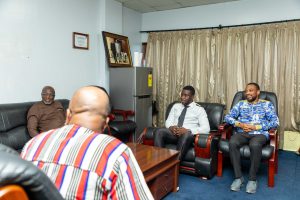
He explained that a cadet must quickly adapt to wearing multiple hats, working as a welder or a wiper and performing watchkeeping roles, before gradually rising to become a leader. Mr Amarboye urged the young cadets to stay focused, remain proactive, and constantly ask questions while assisting motormen and experienced crew members.
The Director of the Technical Services Division at the GMA, Naval Capt. Derrick Attachie, echoed similar sentiments, reminding the cohort that cadet training is, fundamentally, a structured period of learning.
He urged them to absorb as much practical knowledge as possible to aid their careers going into the future.