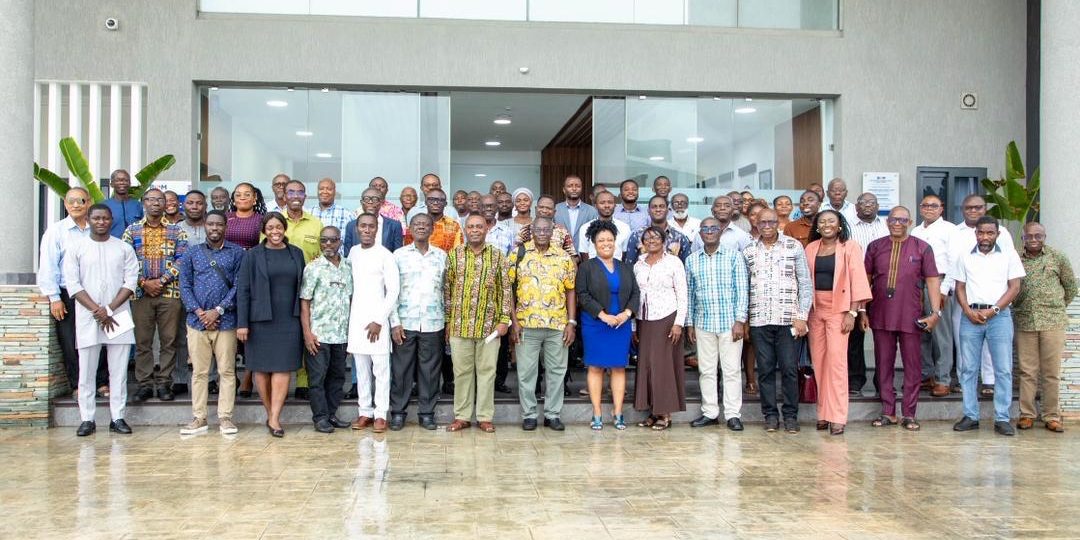
GMA Organises Consultative Meeting with COC/COP Examiners and Trainers
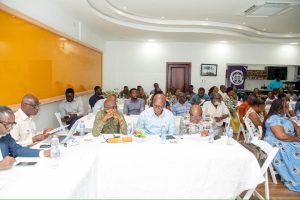
Held at the Bernhard Schulte Shipmanagement (BSM) Maritime Training Centre at the Regional Maritime University (RMU), the engagement focused on modernizing training standards to protect international shipping safety.
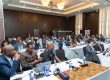
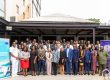
The meeting brought together key stakeholders and participants from the GMA, RMU, the Ministry of Transport, and the Ghana Ports and Harbours Authority (GPHA).
The engagement also forms part of ongoing collaborative efforts to strengthen maritime education, training and professional standards across Ghana’s maritime sector.
The meeting was to address emerging challenges relating to the training and examination of seafarers and the conduct of the Certificate of Competence (COC)examination.
Discussions also highlighted internal controls and protocols regarding the requirements and qualifications of GMA accredited assessors and the need to undergo the STCW mandatory IMO Model Course 3.12 training, which the Authority together with the International Maritime Organization (IMO) would be organizing for all assessors in August 2026.
RMU
The Acting Vice Chancellor of the RMU, Dr. Jethro Brooks, emphasized that the institution’s core mission is to protect the integrity of the maritime sector through rigorous academic standards and close collaboration with industry partners. 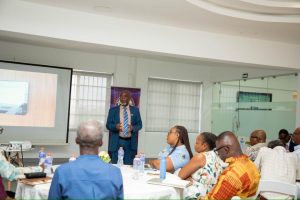
He stressed that as maritime technology rapidly evolves, institutions must adapt their training methods to ensure Ghanaian seafarers remain globally competitive and fully compliant with international maritime laws.
Audit Findings
The Acting Chief Examiner at the GMA, Capt. Samuel Ofori-Danquah, noted that previous audit findings had revealed deficiencies in Polar Code and IGF Code training.
He stressed that it remains mandatory for RMU to maintain fully updated course files, even during periods of low student enrollment. 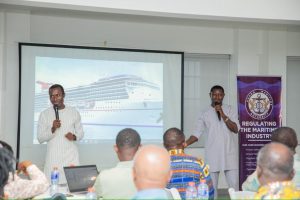
However, on examination reforms, Capt Ofori-Danquah announced that the GMA plans to transition to a centralized Examination Bank of Questions by 2027.
“Rather than requiring examiners to draft four separate sets of papers annually, they will now contribute to a topic-based database from which exams will be generated via a computer-based system to eliminate leaks and ensure strict standardization across the board”, Capt. Ofori-Danquah said.
He also stated that to prevent harassment claims and guarantee transparency, the GMA now requires two examiners and an independent observer for all oral assessments.
Simulator Facility
In a major move to ensure the university’s students are well-equipped before deploying for mandatory sea time, a landmark agreement was reached between BSM and RMU, granting the institution full access to BSM’s state-of-the-art simulator facilities. 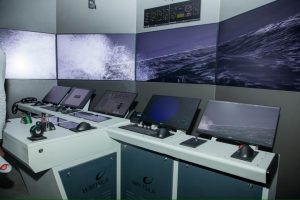
This strategic partnership marks a critical step toward aligning Ghana’s maritime education with modern international training standards, while paving the way to potentially substitute traditional sea time with simulated hours.